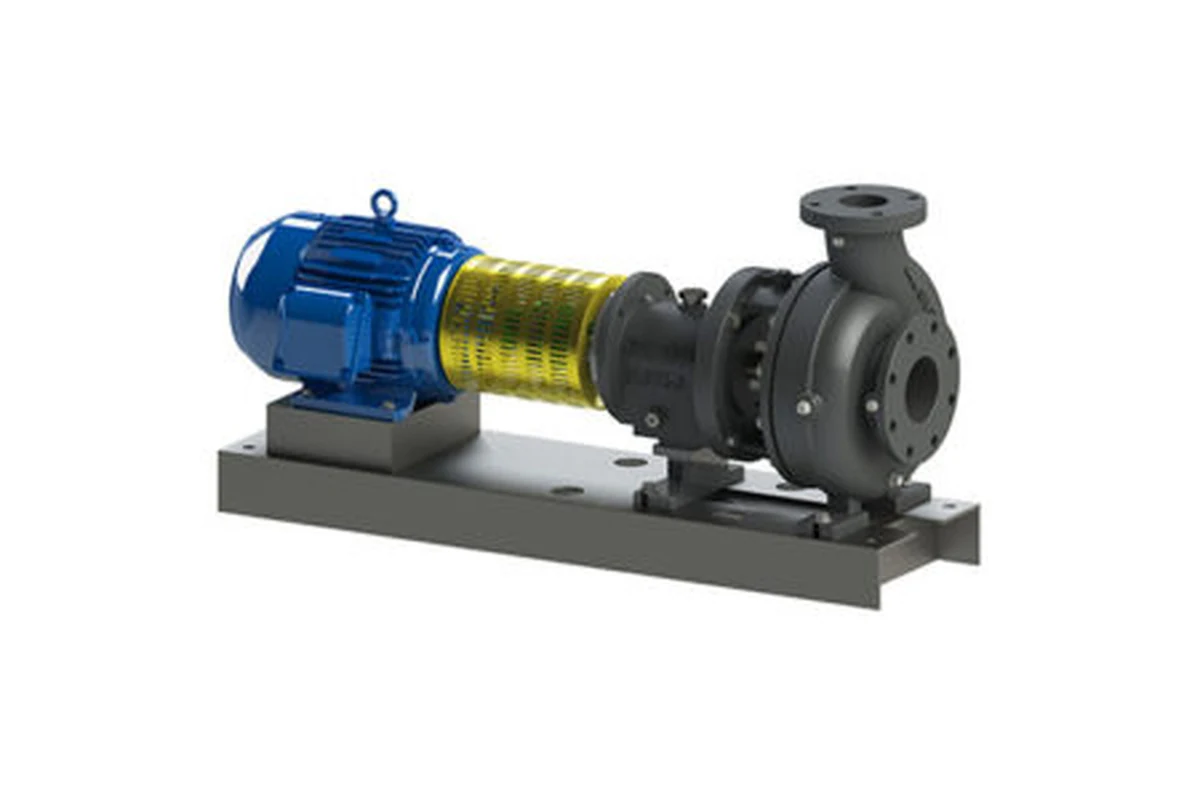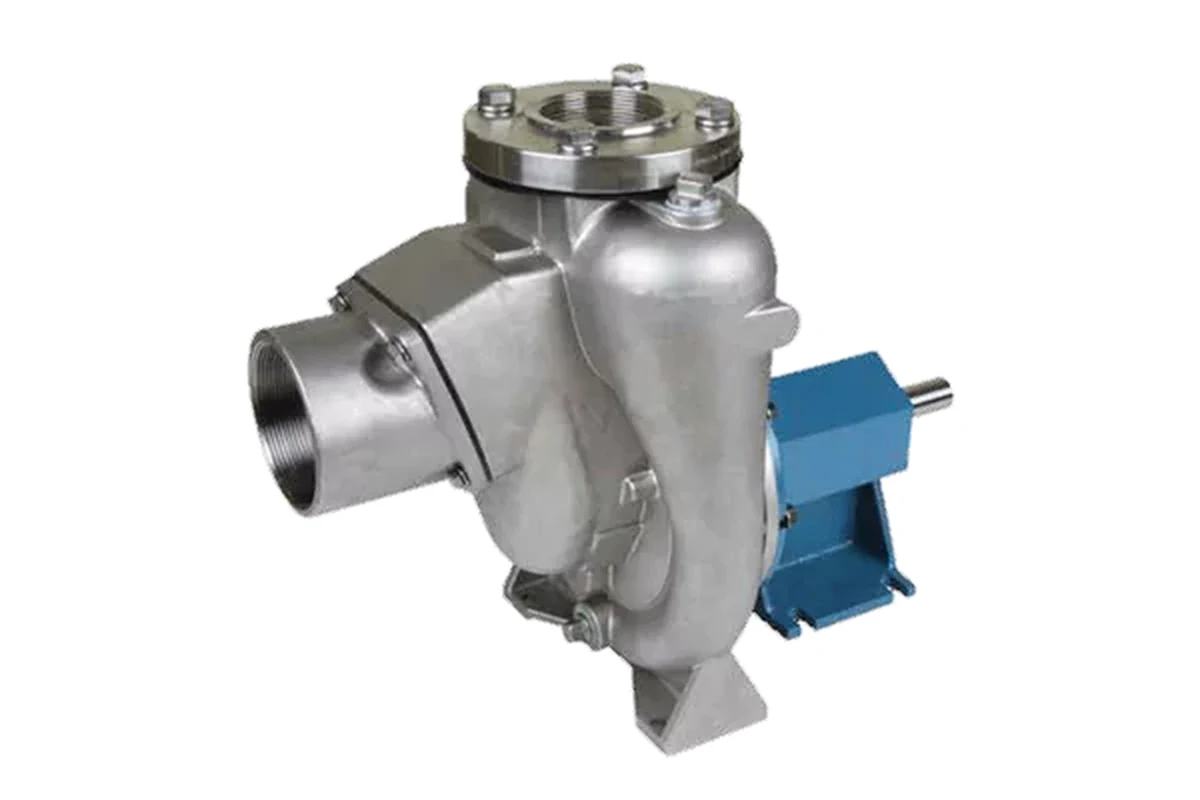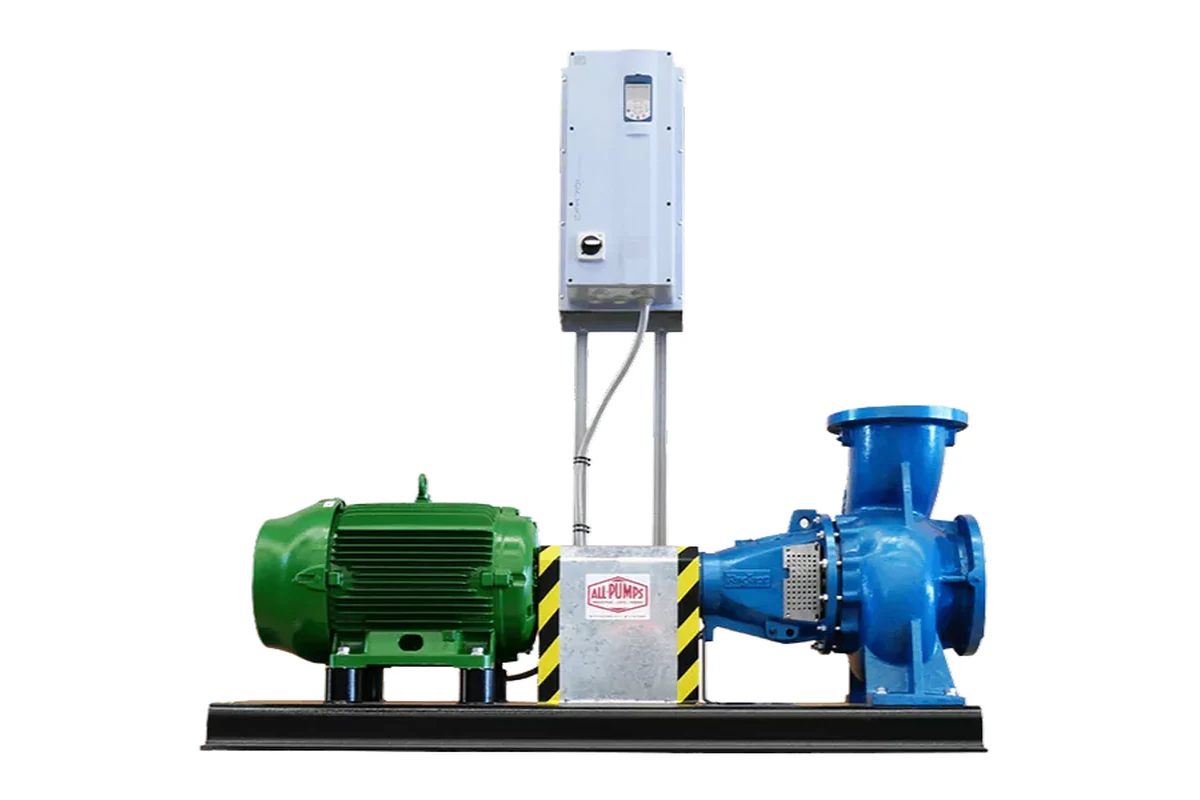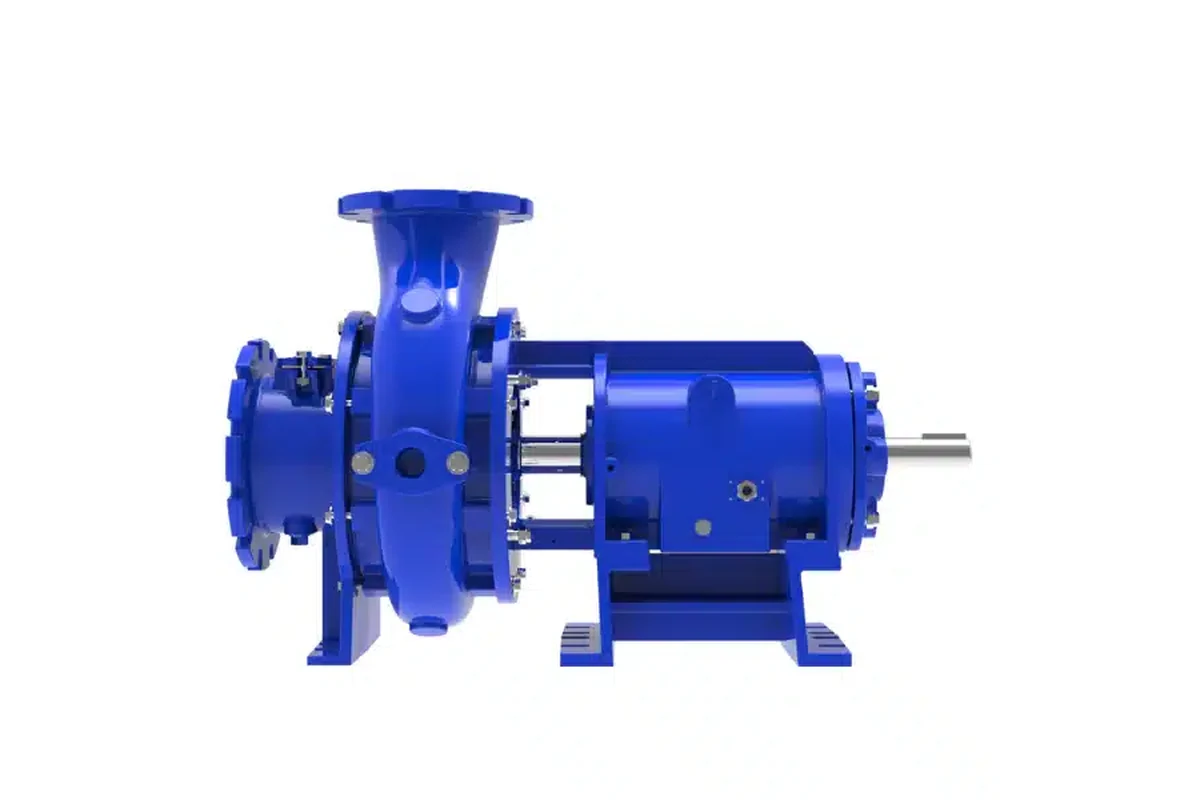
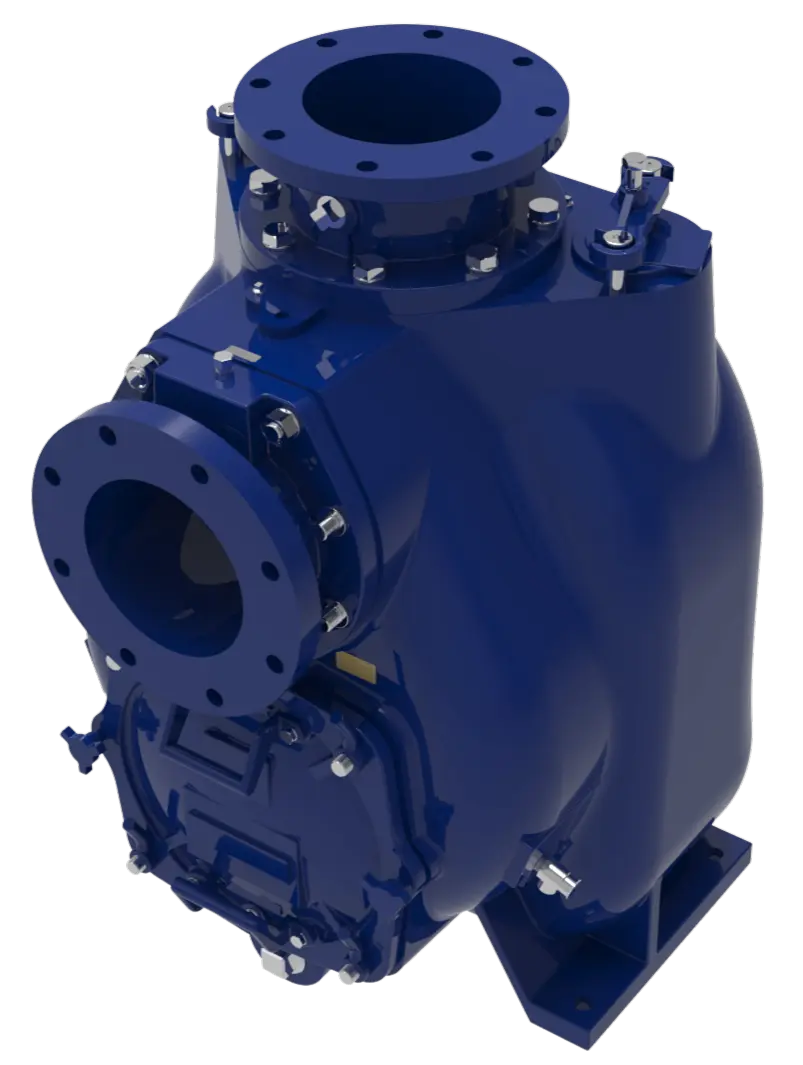
Self-Priming Pumps
Self-priming pumps are engineered to eliminate the need for external priming. They automatically evacuate air from the suction line, creating the vacuum required to draw liquid into the pump and commence operation. This functionality enhances efficiency in process plants, particularly where pumps are subject to frequent yet intermittent use.
Self-priming centrifugal pumps are well-suited to handling a wide range of fluids, including those containing entrained air. Their reliability and versatility make them a popular choice across diverse applications, from wastewater treatment to chemical processing.
Features & Benefits
- Solid-Handling Capabilities: Effectively pumps solids up to 3 inches in size without clogging
- Ease of Use: Designed for minimal setup and requires no manual priming, saving time and effort
- Versatility: Suitable for a variety of fluids, including those with solids or gases, and adaptable to changing flow and pressure requirements
- Automatic Priming: Designed to remove air from the suction line, eliminating the need for manual priming and making them ideal for frequent and intermittent pumping operations
- Reduced Downtime: Less susceptible to cavitation compared to non-self-priming pumps, which can cause damage and lead to downtime.
Operating Principle
The operating principle of a self-priming centrifugal pump can be divided into two phases: the priming mode and the pumping mode.
In priming mode, self-priming centrifugal pumps operate similarly to liquid-ring pumps. The rotating impeller generates a vacuum at its centre, drawing air from the suction line into the pump. At the same time, this action forms a cylindrical ring of liquid within the pump casing, creating a gas-tight seal that prevents air from recirculating from the discharge back to the suction line. Air bubbles become trapped in the liquid between the impeller vanes and are carried to the discharge port, where they are expelled. The liquid then returns to the reservoir within the pump housing by gravity.
As the process continues, liquid gradually rises in the suction line, displacing the remaining air. Once both the suction piping and pump casing are fully primed with liquid, the pump transitions into its normal pumping mode and begins continuous liquid discharge.
Applications
- Sewage Lift Station
- Construction
- Dewatering
- Stormwater Handling
- Sewage Handling