

Regent Pumps
Regent Pumps Pty Ltd is an Australian manufacturer of world-class quality industrial and infrastructural pumps. Their efficient design, reliable performance, and robust construction gained the company an opportunity to compete with bigger brands on the international market. For decades, Regent has been innovating an extensive range of pumps that are now well-known in many market sectors.
The manufacturer aims to provide high-tech equipment that can provide different businesses with key competitive advantages. Without breakdowns and longer operation before maintenance, Regent is definitely a brand to be reckoned with.
Regent Din Centrifugal Pumps
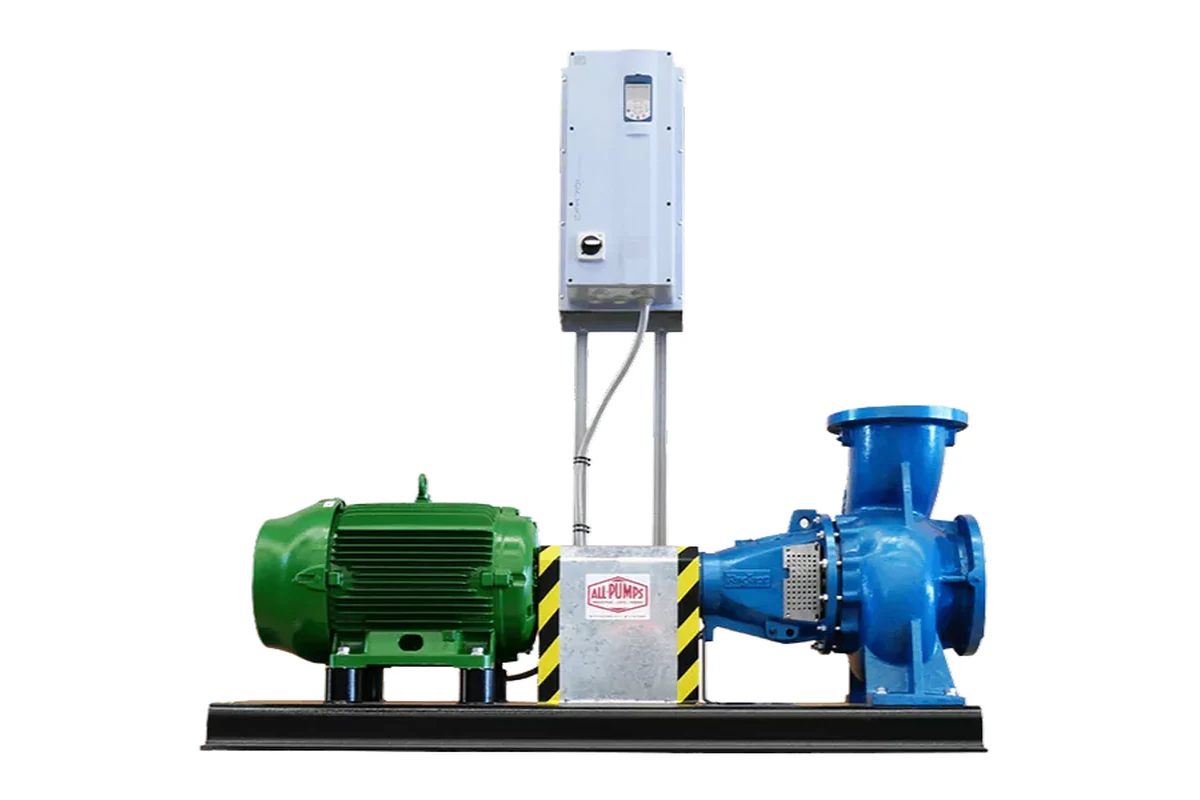
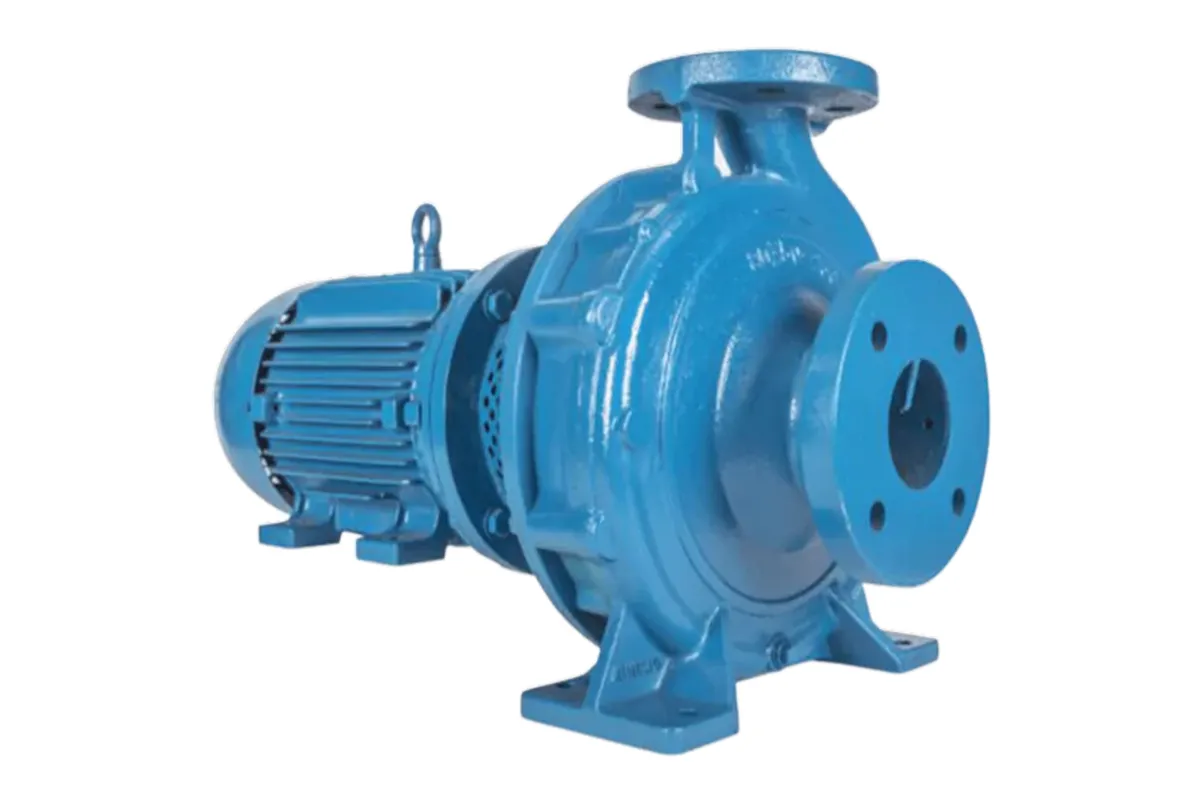
The Regent Dinflow features single–stage end–suction centrifugal pumps. They offer high performance at an economical cost and are particularly suited to mechanical and fire services. Their volute casing is fitted with a replaceable wear ring and is designed to provide a smooth flow into the impeller.
The Regent Dinflow pumps are engineered to the stringent International Standard EN733 ( formerly 24255), making them interchangeable with other dimensionally similar pumps.
Features & Benefits
- Design Advantages
- Back Pull-Out construction for ease of maintenance
- Rugged construction using durable and high-quality materials
- Higher operating pressures and flow rates
- Five bearing housings for interchangeability
- Hydraulically balanced double-shrouded impeller
- Fully machined hook-type shaft sleeve minimises shaft damage
Available Options
- 46 models to suit specific applications
- Material options
- Seal options
- Accessories and spare parts
- Baseplate/mounting
Principle of Operation
Centrifugal pumps are able to move fluid by rotating an impeller inside the casing using a motor. As the impeller rotates, fluid is drawn into the pump and hits the impeller eye. The impeller then accelerates the fluid, imparting kinetic energy. This forces the fluid to the tips of the impeller vanes. Upon reaching the edge of the impeller, fluid falls into the casing, which causes the fluid to decelerate and gain higher pressure (fluid velocity is converted to pressure). Fluid is then pushed out of the discharge nozzle and out into the pipes.
Applications
- Liquid Transfer
- Air Conditioning
- Refrigeration
- Fire Protection
- Drainage
- Irrigation
- Factory Water
- General Industry
- Petroleum Products
- Water Treatment and Supply
- Wastewater and Effluent
Regent's ISO 2858 Centrifugal Pumps
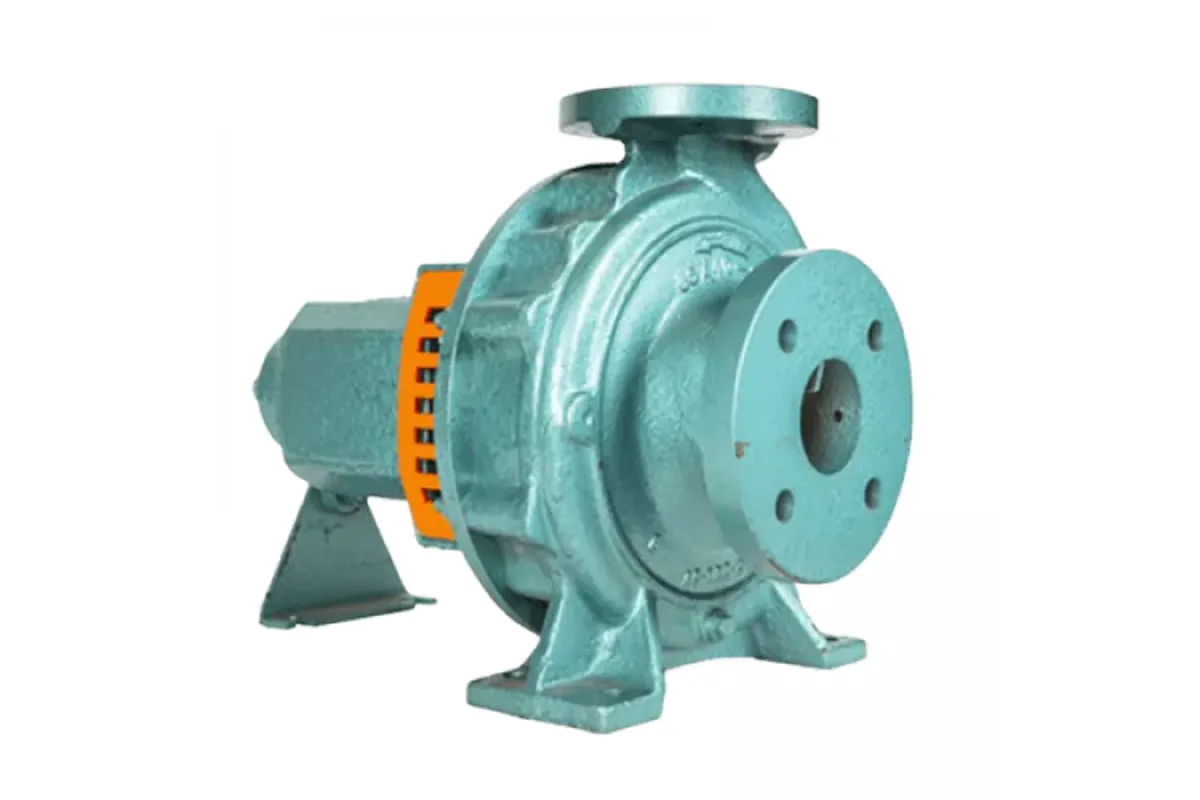
Regent’s ISO 2858 centrifugal pumps or Isoflow pumps are single-stage end-suction types. They boast excellent hydraulic efficiency, thanks to their double shrouded impeller and overall design. These pumps are engineered according to the International Standard ISO 2858 and are therefore dimensionally interchangeable with all pumps conforming to this standard.
Like other Regent centrifugal pumps, the ISOflow series features a Back Pull-Out design where the taper mounted impeller can be easily removed and serviced.
Features & Benefits
- Hydraulically balanced double shrouded balanced impeller
- Sturdy pump casing with burst pressure twice the operating pressure
- High strength bearing housing, robust shaft
- High-quality materials resulting in longer pump life
- Higher suction characteristics
- Bearings are fitted with bearing caps, giving higher level protection
- Complies with ISO 2858 and interchangeable with other pumps conforming to the same standard
Available Options
- Material options
- Seal options
- Motor/drive options
- Accessories and spare parts
- Baseplate/mounting
Specs
- MAX FLOW: 90 m3/h
- MAX HEAD: 150 m
- WORKING PRESSURE: 16 bar
Principle of Operation
Centrifugal pumps are able to move fluid by rotating an impeller inside the casing using a motor. As the impeller rotates, fluid is drawn into the pump and hits the impeller eye. The impeller then accelerates the fluid, imparting kinetic energy. This forces the fluid to the tips of the impeller vanes. Upon reaching the edge of the impeller, fluid falls into the casing, which causes the fluid to decelerate and gain higher pressure (fluid velocity is converted to pressure). Fluid is then pushed out of the discharge nozzle and out into the pipes.
Regent's Self-Priming Trash & Sewage Pumps
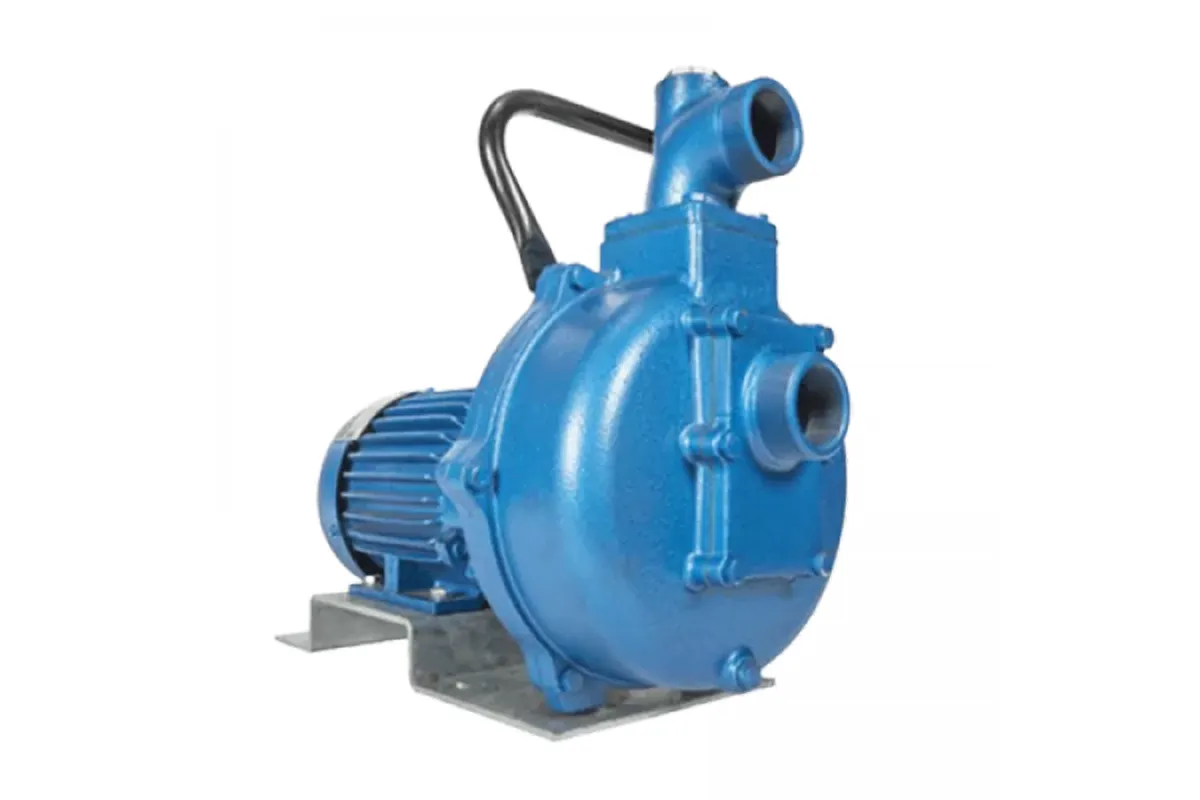
Regent’s Series Self Priming Trash and Sewage Pumps are designed for economical, heavy-duty, 24/7 trouble-free operation. Solids handling is one of their most important advantages, as some self-priming pumps cannot efficiently handle debris and large-sized solids.
In fact, these Regent pumps can pass solids with sizes up to 75mm in diameter without clogging and damaging. They are suitable for many pumping applications from clean water to caustic fluids.
Features & Benefits
- Inspection hole for easier maintenance
- Adjustable or select correct wear plate to control impeller clearance
- Cleaning cover for easy and quick cleaning or removal of clogging
- Back Pull-Out feature for easy maintenance and servicing
- Oil Lubricated Bearings
- Rugged construction for long reliable operational life
Specs
- MAX FLOW: 75 m3/h
- MAX HEAD: 30 m
- MAX SOLID PASSAGE: 75 mm
Principle of Operation
Self-priming pumps have 2 stages of operation. In the priming stage of the self-priming principle, the impeller rotates to generate vacuum at the center. This draws air into the pump from the suction. Simultaneously, the pump creates a cylindrical ring of fluid on the inside of the casing. This causes a gas-tight seal to form. Meanwhile, air bubbles are trapped in the fluid inside the pump and are forced out through the discharge port. As soon as air is expelled, the liquid returns to the pump. As the fluid gradually rises and all the air is discharged, the normal fluid pumping using centrifugal working principle commences.
Regent's Split-Case Pumps
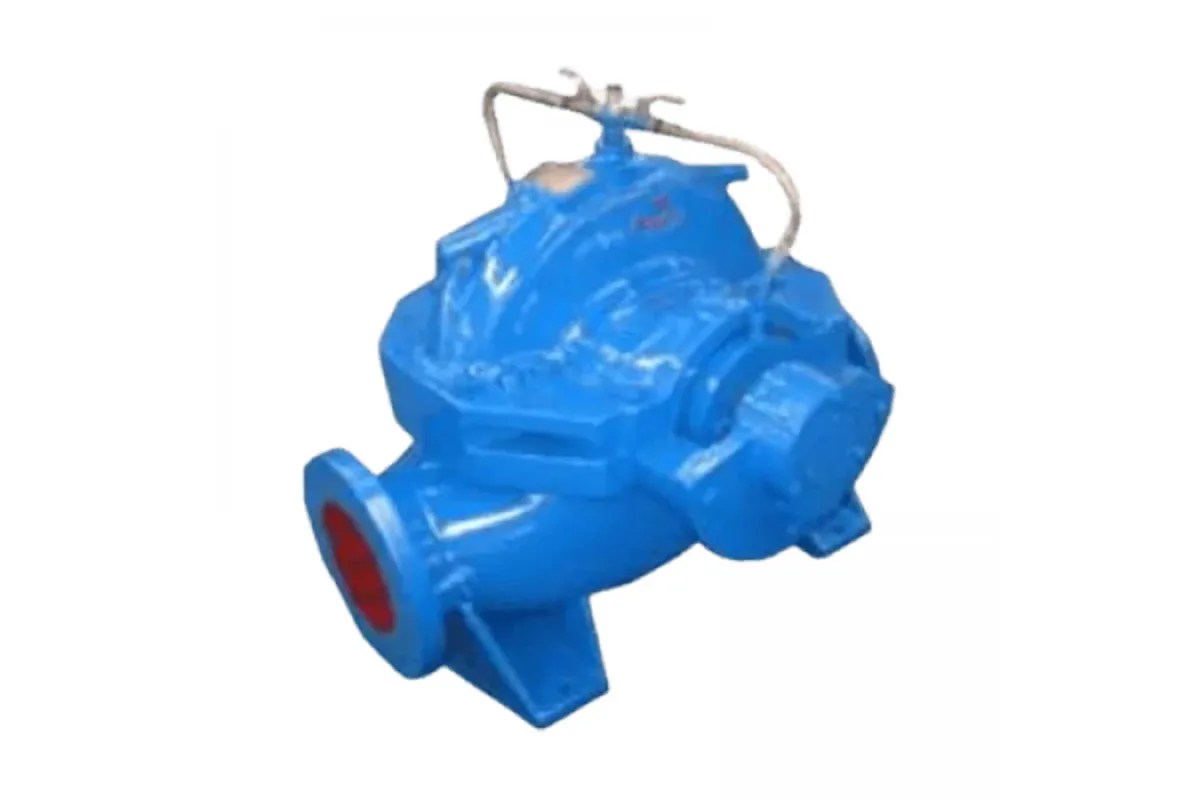
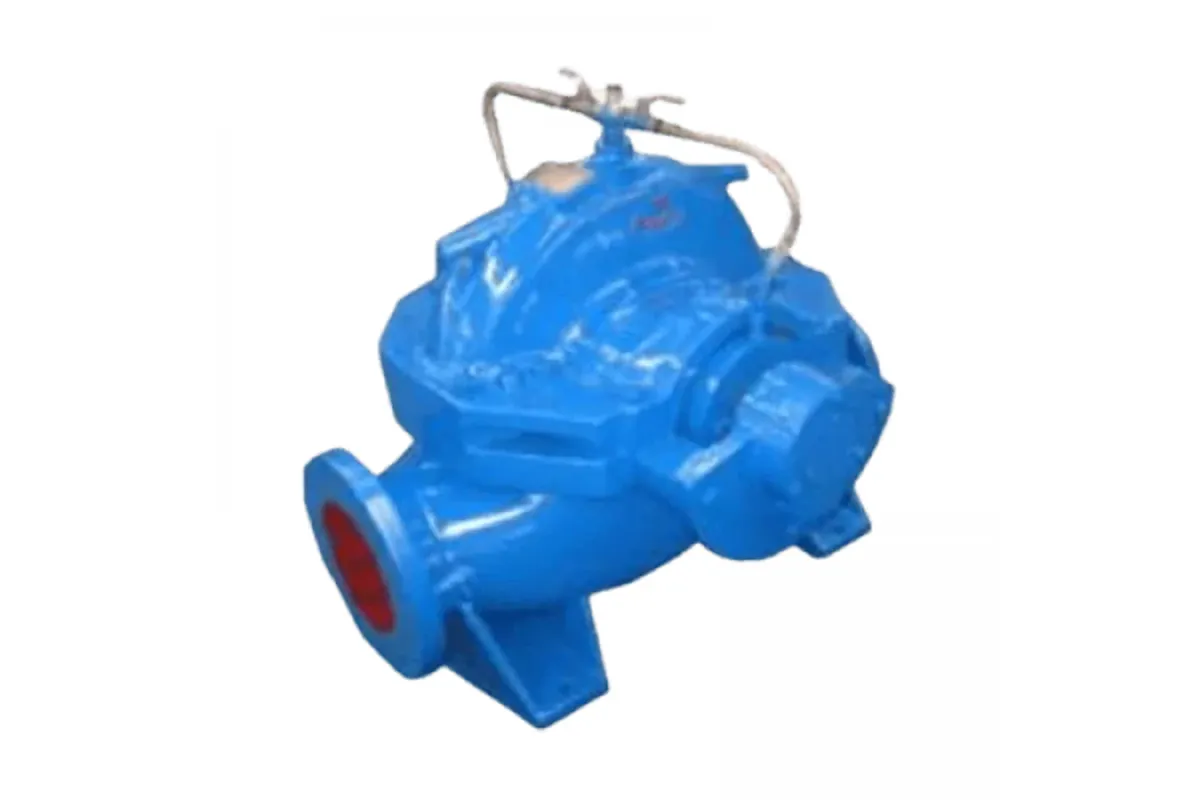
Regent’s Megaflow Series consist of horizontal split-case pumps with mega high flow rates. The casing is axially split, thus allowing quick and easy maintenance. The top half of the casing can be removed, allowing access to the rotating element without disturbing pipework or removing the electric motor. Additionally, the Megaflow pumps use a service-friendly shaft with quick and easy assembly-disassembly rotor components.
The design also eliminates the use of threads that may wear out over time, thus extending pump life.
Features & Benefits
- Casings and Impellers in combinations of cast iron and bronze
- High-performance double-entry impeller
- In-line, leak-tight design, easy mounting and self-aligning
- Stainless steel shafts – varying grades for specific liquids
- Reduced radial force and minimised shaft deflection
- Covered and sealed for life grease-lubricated anti-friction bearings
Available Options
- Material options
- Impeller options
- Seal options
- Accessories and spare parts
- Baseplate/mountingv
Specs
- Flow rates up to 1000m3/h
- Pressures up to 200m
Principle of Operation
Split case horizontal pumps are designed with casings that come apart. The design allows for the top part of the case to be removed without disturbing the driver or associated piping. This allows for quick and easy inspection and repair of the rotor as needed. Split case horizontal pumps are usually axially-split. That is, the flange where the case splits is in the plane as the pump axis. As for the operation, they follow the conventional centrifugal pump principle where fluid enters into the impeller eye and is cast out by centrifugal force along its circumference through the impeller’s vane tips. The action of the impeller increases the fluid’s velocity and pressure and directs it towards the pump outlet.
Regent's Vortex Pumps
Regent’s Vortex pump range includes the Vorbloc and Superflow Series. Most of these models are derived from the standard Dinflow range and include a recessed impeller which creates a vortex within the pump casing. Smaller models are also included in the range, mainly for marine use.
Vortex pumps can be supplied as bareshaft pumps, long-coupled, base-mounted units, close-coupled motor pumps, or long column sump pumps.
Features & Benefits
- High strength material combinations
- Stainless steel shafts – varying grades for specific liquids
- Vortex design allows the passage of solids and fibrous material
- Back pull-out design for ease of maintenance
- Non-clog, minimized cavitation
- Efficient handling of extremely viscous media
Available Options
- Material options
- Impeller options
- Seal options
- Accessories and spare parts
- Baseplate/mounting
Specs
- Maximum operating pressure 1,600 kPa
- Flow rates up to 510 m3/h
Principle of Operation
Vortex pumps, which are also known as recessed impeller pumps, create circular churning motion around an axis. This motion creates suction to flow into the volute and out through the discharge. Vortex motion may or may not be created by pressure differences of a fluid-solid mixture. Since the rotor is positioned farther back it allows for solids and even gases to pass without direct contact with the rotor. To create an efficient flow with the suspended particles, it is essential to generate a sufficiently powerful vortex to induce suction of the solid particles. This requires a very powerful pumping action with high horsepower. Vortex formations are dependent on fluid properties like density and viscosity. The rotors are also recessed for solids clearance, although at some cost to the pump efficiency.