Roper Pumps
ROPER PUMPS is recognized worldwide as the leading provider of innovative gear pumps for the most demanding applications. With over 150 years of experience in design and manufacture, the company now holds one of the broadest ranges of helical gear pumps with impeccable pumping technology and robust construction made for viscous products
From its workhorse 3600 and 4600 Series to its Severe Duty pumps, Bulk Liquid Handling, and High-Pressure pumps, all Roper pumps are engineered in their world-class facility that conforms to the ISO 9001:2000 standards, therefore ensuring reliability.
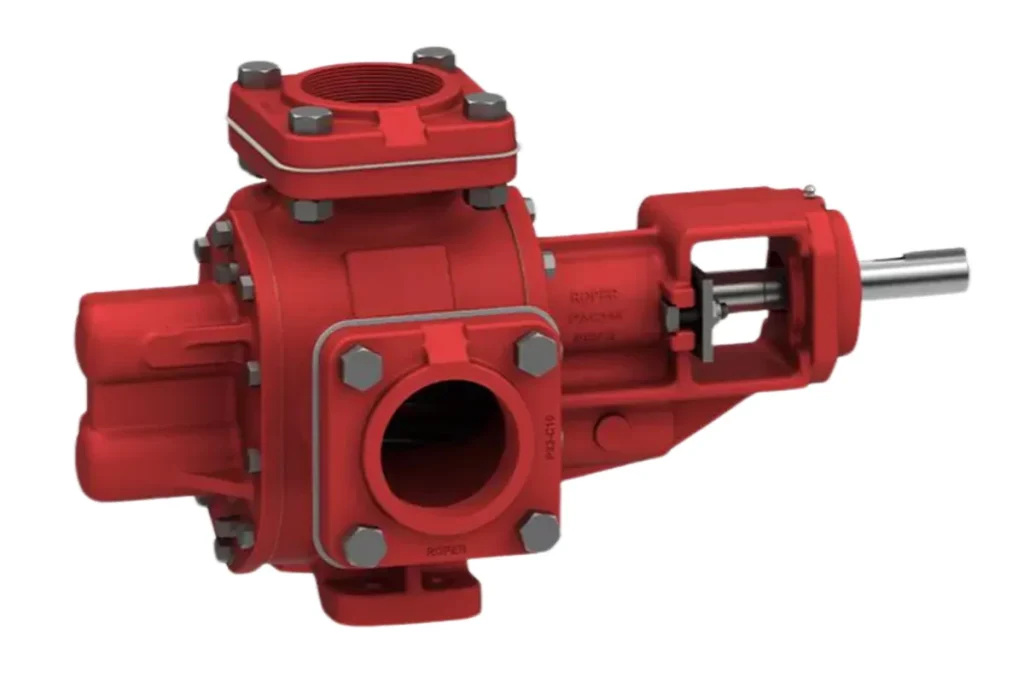
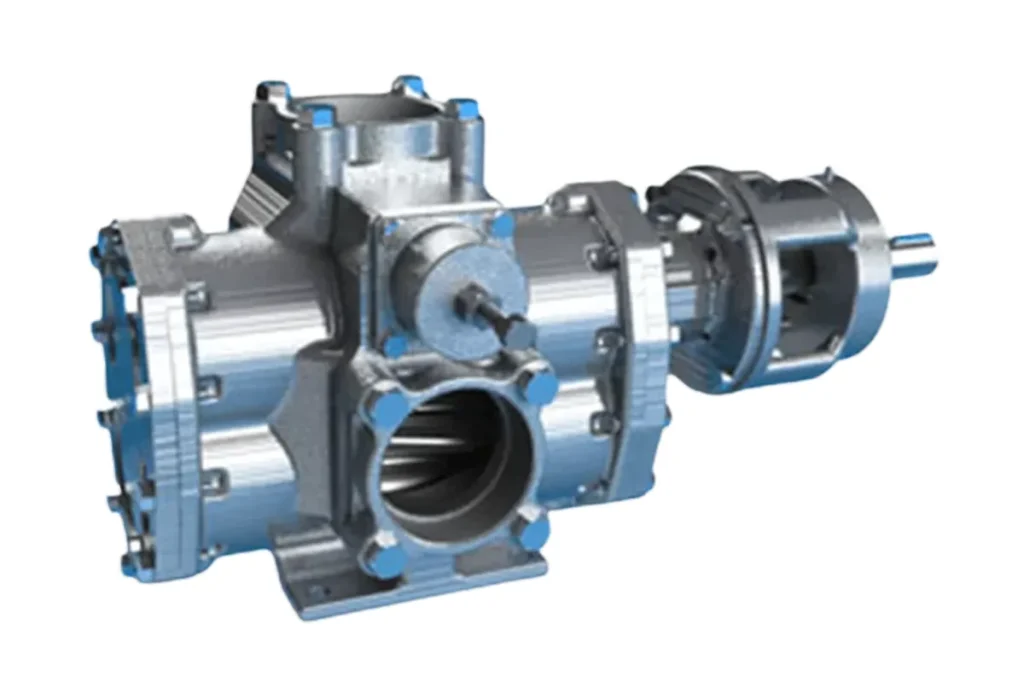
Roper Pumps 3600 Series
The 3600 Series Pump was designed to provide consistently high performance in the harshest conditions so you can meet your production goals and keep your project moving. It is the industry standard for pumping fuel oils and gasoline and is also efficient at handling heavy, viscous materials.
Rugged, versatile, and dependable, Roper 3600 gear pumps operate smoothly with equal efficiency in either direction of rotation.
Features & Benefits
- Heavy-duty housing
- Precise tolerances for maximum efficiency
- Quiet running helical gears
- Bi-Directional
- Long-lasting bearings
- Precision ground shafts
Available Options
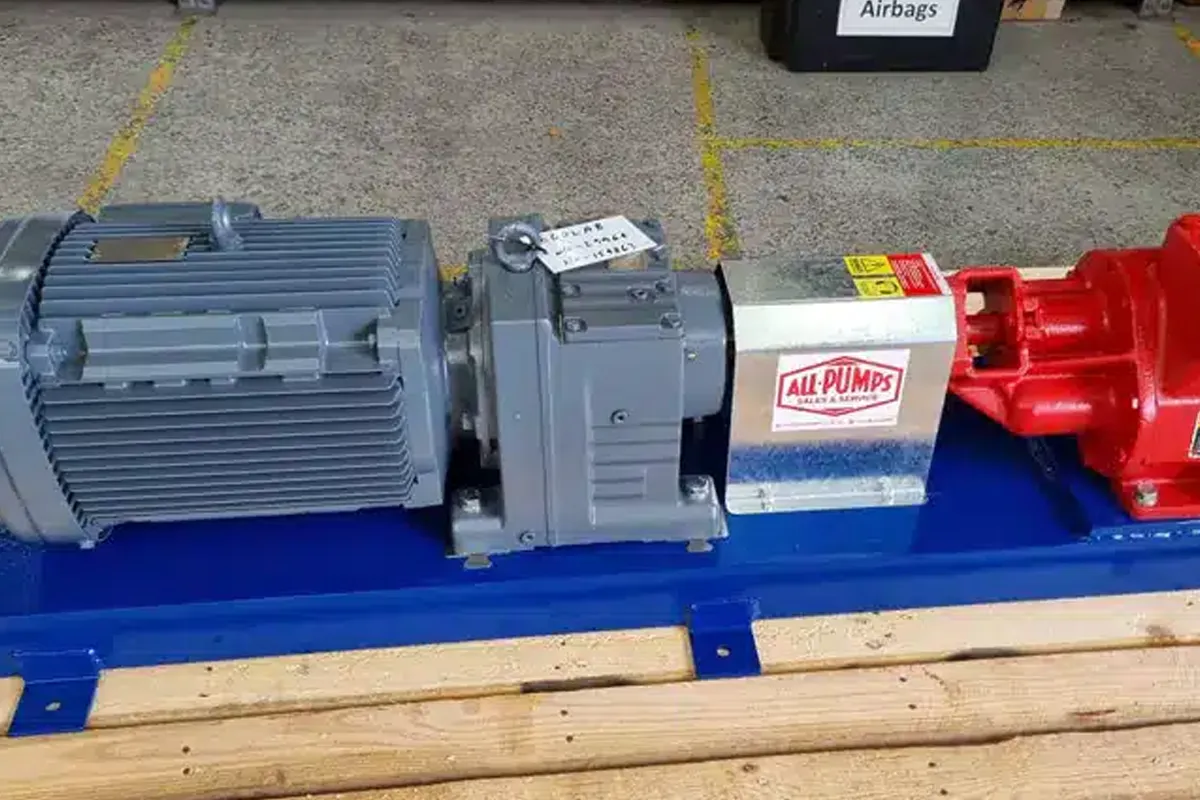
- Direct drive or built-on gear reducersa
- Materials: Gears, bearings, shafts, housing
- Pump seal options
- Relief valves
- Baseplates
- Spare parts
Key Specifications
- Flow: Up to 468 GPM (1772 lpm)
- Pressures: Up to 125 PSI (8.6 bar)
Applications
- Fuel oil
- Gasoline
- Asphalt
- Molasses
- Roofing compounds
- Printing inks
Principle of Operation
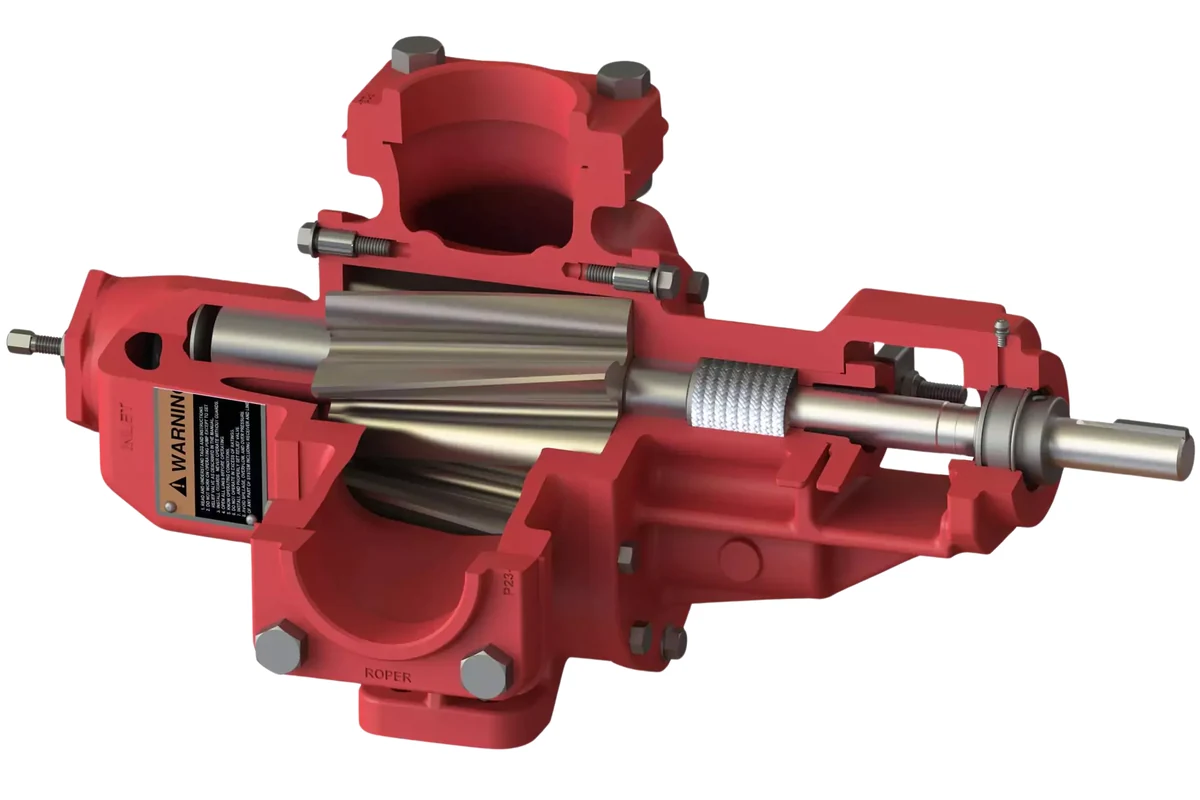
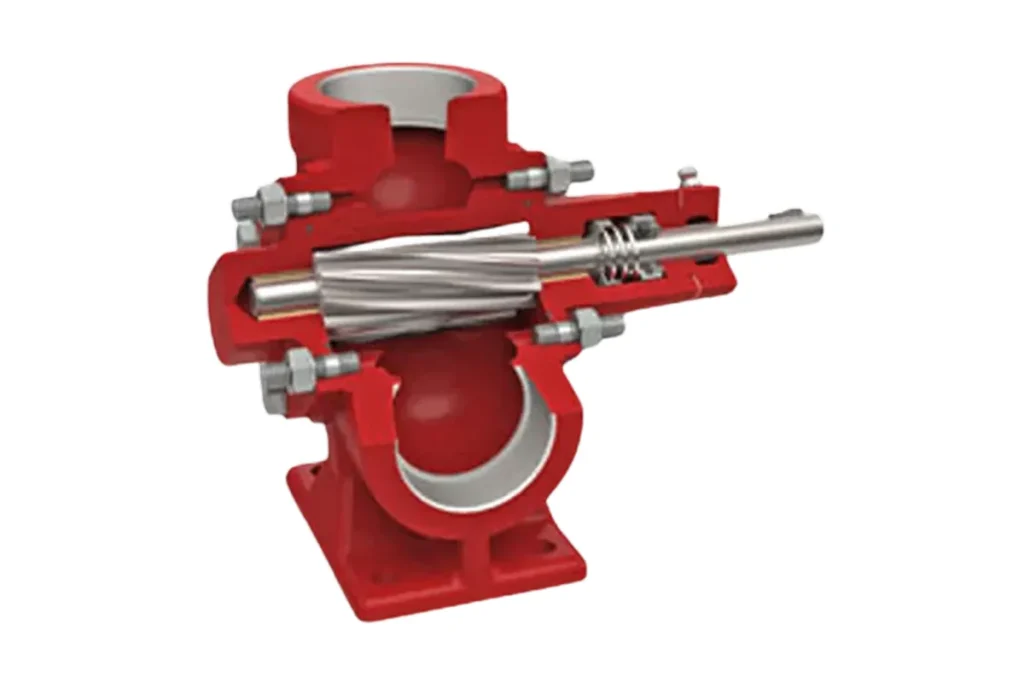
A gear pump creates flow by carrying fluid between the teeth of two meshed gears. One gear is driven by the drive shaft, which in turn drives the other gear. Pumping chambers are formed between the teeth and are enclosed by the pump housing and side plates.
A partial vacuum is created at the inlet of the pump as the teeth unmesh. Fluid starts to flow in at this point and fills the space/vacuum. The fluid is then carried around the outside of the gears. As the teeth mesh again at the outlet, the fluid is forced out.
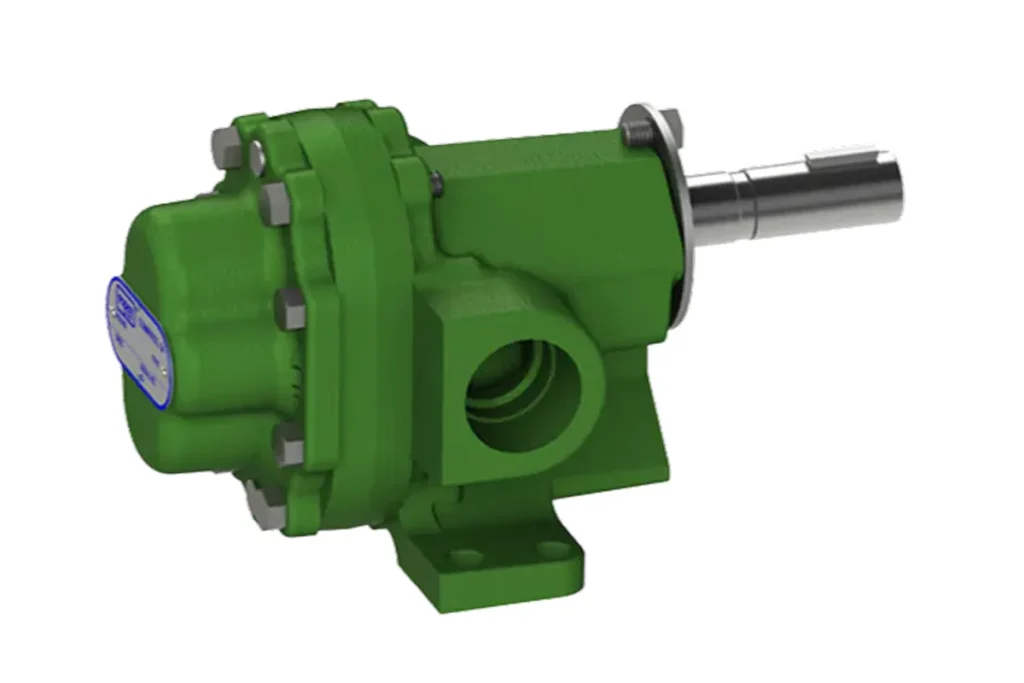
Roper Pumps 2835 Series
Features & Benefits
- Operates at standard motor speeds for viscous fluids up to 100,000 SSU
- Low horsepower requirements allow use of low-cost drivers
- Angled gear arrangement for pumping viscous fluids easily
- Built-in relief valve helps protect pump from excessive discharge pressure
- Precise tolerances for maximum efficiency
- Quiet and smooth-running gears
Available Options
- Option for gas engine drive
- Option for direct coupling with electrical motor
- Integral pressure relief valve
- Sealing options: lip seal, mechanical seal, packing
- Materials: gears, bearings, shafts, housing
- Baseplates
- Spare parts
Key Specifications
- Flow: Up to 11.3 GPM (42.8 lpm)
- Pressures: Up to 75 PSI (5.2 bar)
Applications
- Molasses
- Roofing compounds
- Honey
- Feed supplements
Principle of Operation
A gear pump creates flow by carrying fluid between the teeth of two meshed gears. One gear is driven by the drive shaft, which in turn drives the other gear. Pumping chambers are formed between the teeth and are enclosed by the pump housing and side plates.
A partial vacuum is created at the inlet of the pump as the teeth unmesh. Fluid starts to flow in at this point and fills the space/vacuum. The fluid is then carried around the outside of the gears. As the teeth mesh again at the outlet, the fluid is forced out.
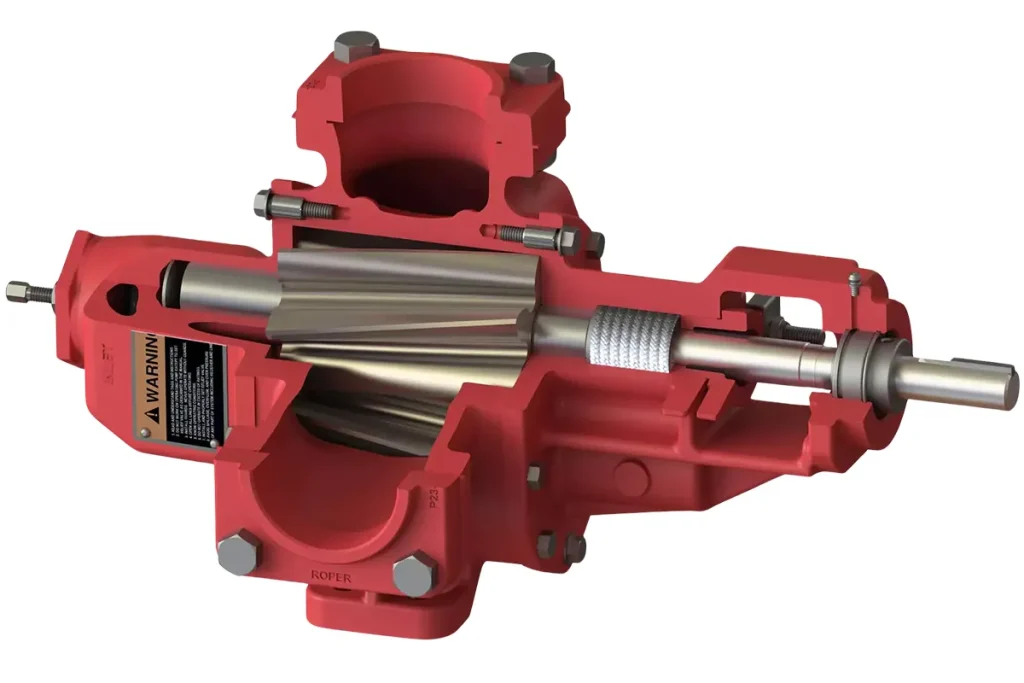
Roper Pumps 3600 EVO Series
An upgrade of the workhorse 3600 Series, the 3600 EVO is designed to perform in the most challenging transfer conditions. With higher wear resistance, Roper 3600 Evo gear pumps can effectively handle high-temperature and high-abrasion fluids.
Built using heavy-duty materials, these pumps are long-lasting, can maximise efficiency, and minimise costly downtime.
Features & Benefits
- Leak-free seal
- ROPLATE™-coated shafts
- Wear-resistant bushings
- Easily repaired on-site
Available Options
- Direct drive or built-on gear reducers
- Materials: Gears, bearings, shafts, housing
- Pump seal options
- Relief valves
- Baseplates
- Spare parts
Key Specifications
- Flow: Up to 432 GPM (1635 lpm)
- Pressures: Up to 125 PSI (8.6 bar)
Applications
- Asphalt sealcoat
- Molasses-based liquid feed supplements
- Tar-sand crude oil
- Condensate
- Oilfield-produced water
Principle of Operation
A gear pump creates flow by carrying fluid between the teeth of two meshed gears. One gear is driven by the drive shaft, which in turn drives the other gear. Pumping chambers are formed between the teeth and are enclosed by the pump housing and side plates.
A partial vacuum is created at the inlet of the pump as the teeth unmesh. Fluid starts to flow in at this point and fills the space/vacuum. The fluid is then carried around the outside of the gears. As the teeth mesh again at the outlet, the fluid is forced out.
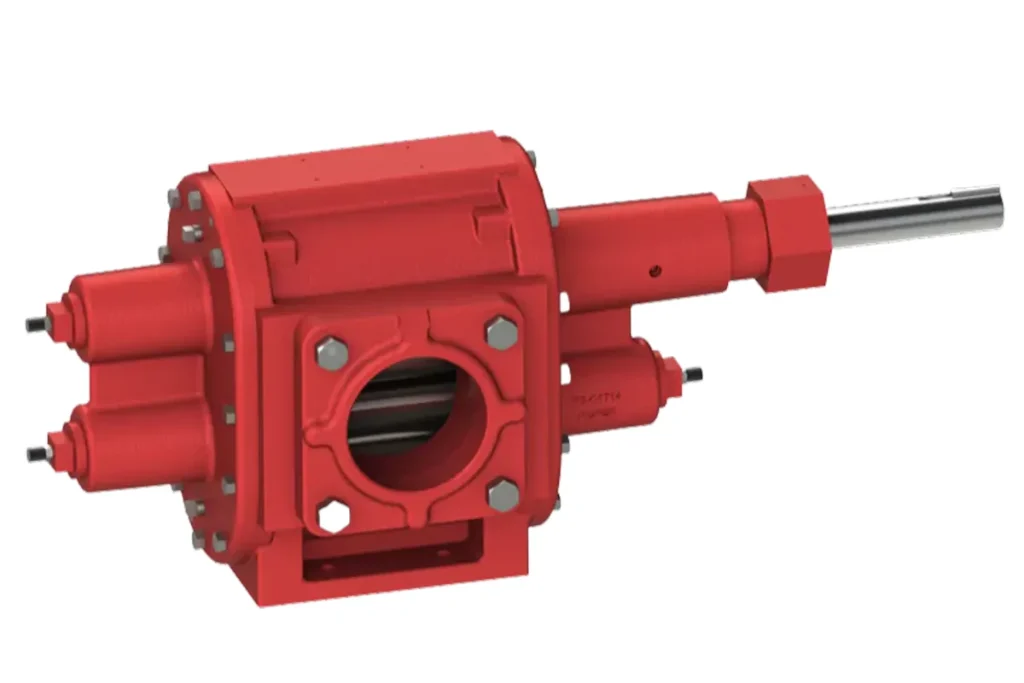
Roper Pumps 5600 Series
Roper 5600 gear pumps are specifically designed for extreme transfer duties, heavy liquids, and fluids with high solid content and abrasives. These pumps use rubber-coated gears, passing small particles and abrasives that otherwise would damage steel gears.
The Roper 5600 pumps and their parts are dimensionally interchangeable with other brands of rubber gear pumps.
Features & Benefits
- Reversible rotation and flow
- Use of the latest rubber technology
- Large port for solids handling
- External greasing
- Easy to maintain
Available Options
- Materials: gears, bearings, shafts, housing
- Baseplates
- Spare parts
Key Specifications
- Flow: Up to 232 GPM (878 lpm)
- Pressures: Up to 100 PSI (6.9 bar)
Applications
- Oil field service
- Brine and raw water
- Sludges and slurry
- Waste oils, tallow, etc.
- Sealant coats
- Molasses feeds
- Fertilizers
- Paper pulps
Principle of Operation
A gear pump creates flow by carrying fluid between the teeth of two meshed gears. One gear is driven by the drive shaft, which in turn drives the other gear. Pumping chambers are formed between the teeth and are enclosed by the pump housing and side plates.
A partial vacuum is created at the inlet of the pump as the teeth unmesh. Fluid starts to flow in at this point and fills the space/vacuum. The fluid is then carried around the outside of the gears. As the teeth mesh again at the outlet, the fluid is forced out.