

Sandpiper
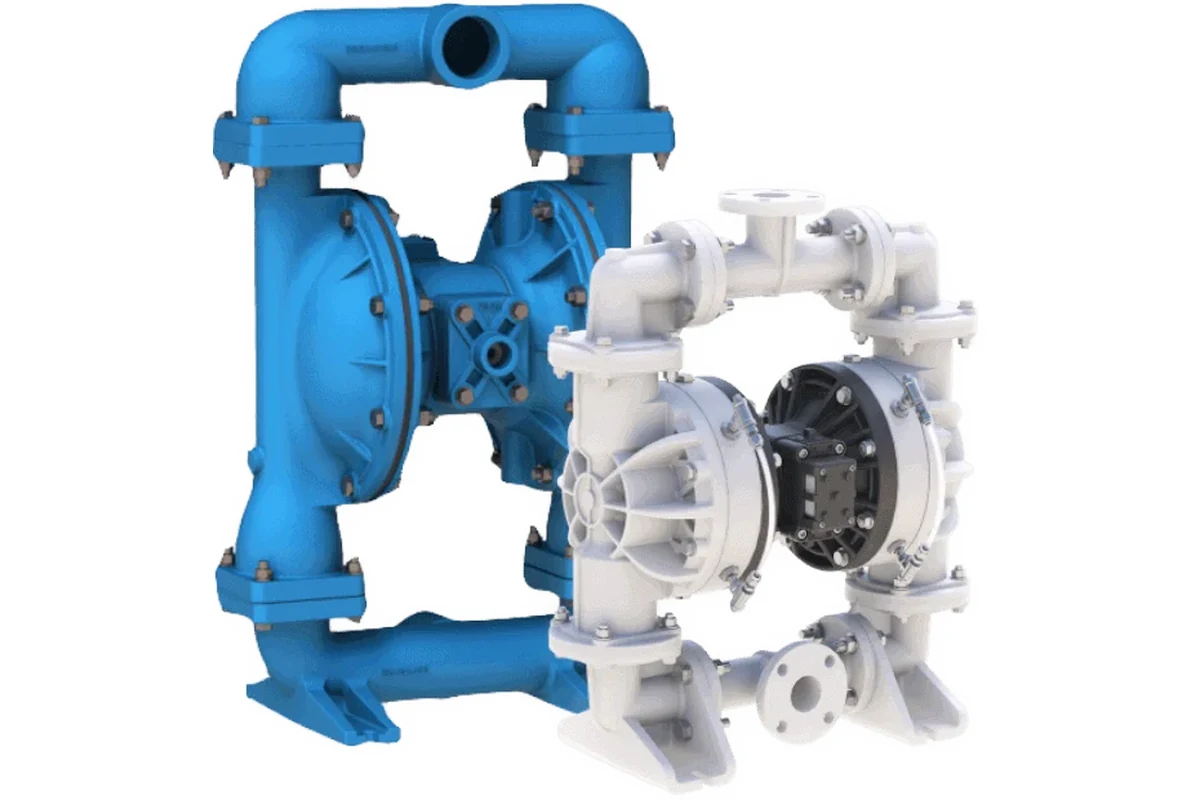
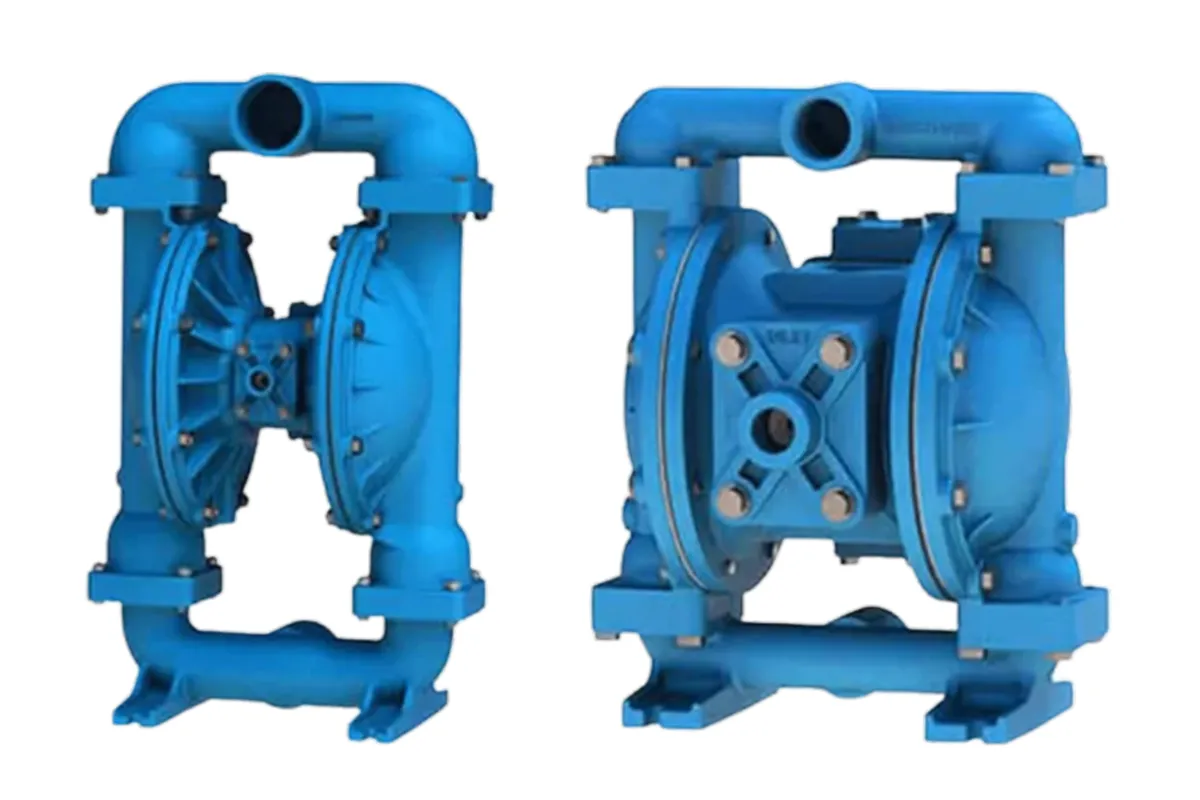
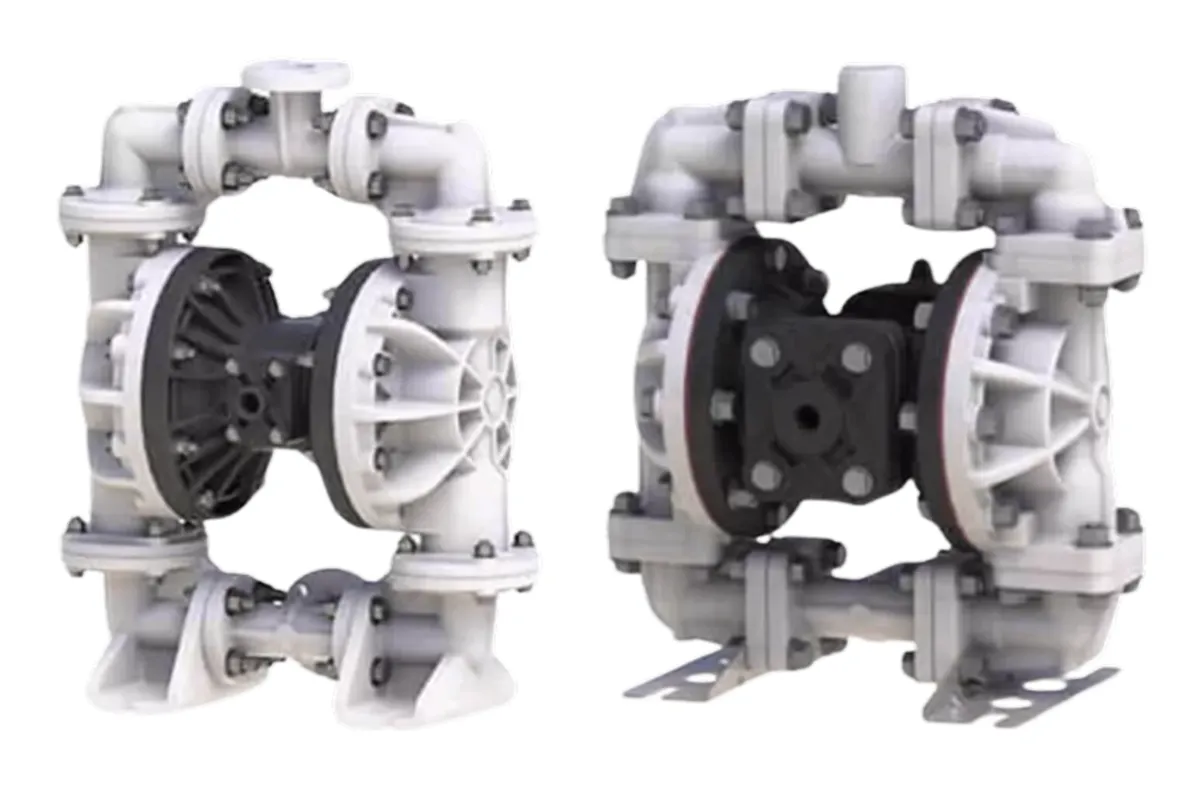
Sandpiper is a brand by Warren Rupp. It was introduced in 1968 and has since established a reputation as the pioneer and global leader in designing and manufacturing the original air-operated double-diaphragm (AODD) pumps. The Sandpiper S20 pump (non-metallic AODD) and Sandpiper S30 pump (metallic AODD) are among the brand’s most in-demand products. These models are recognized as top-quality acid pumps and fuel transfer pumps.
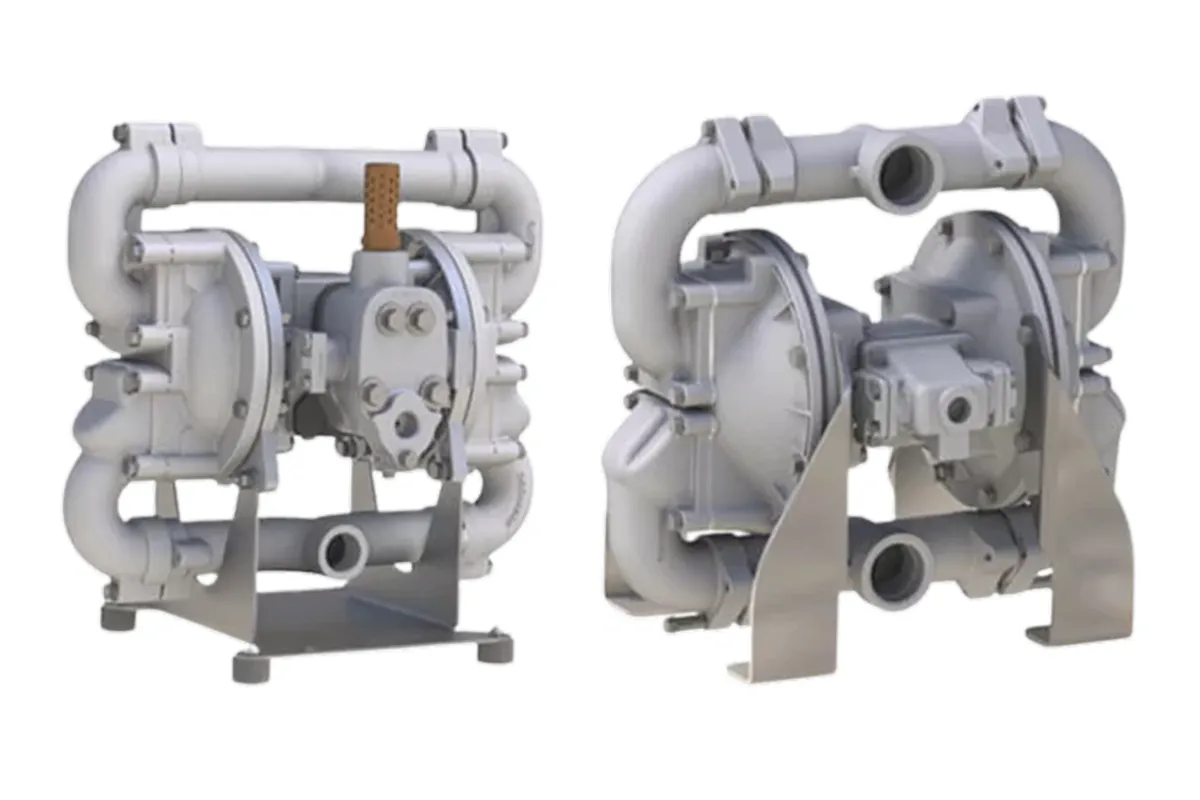
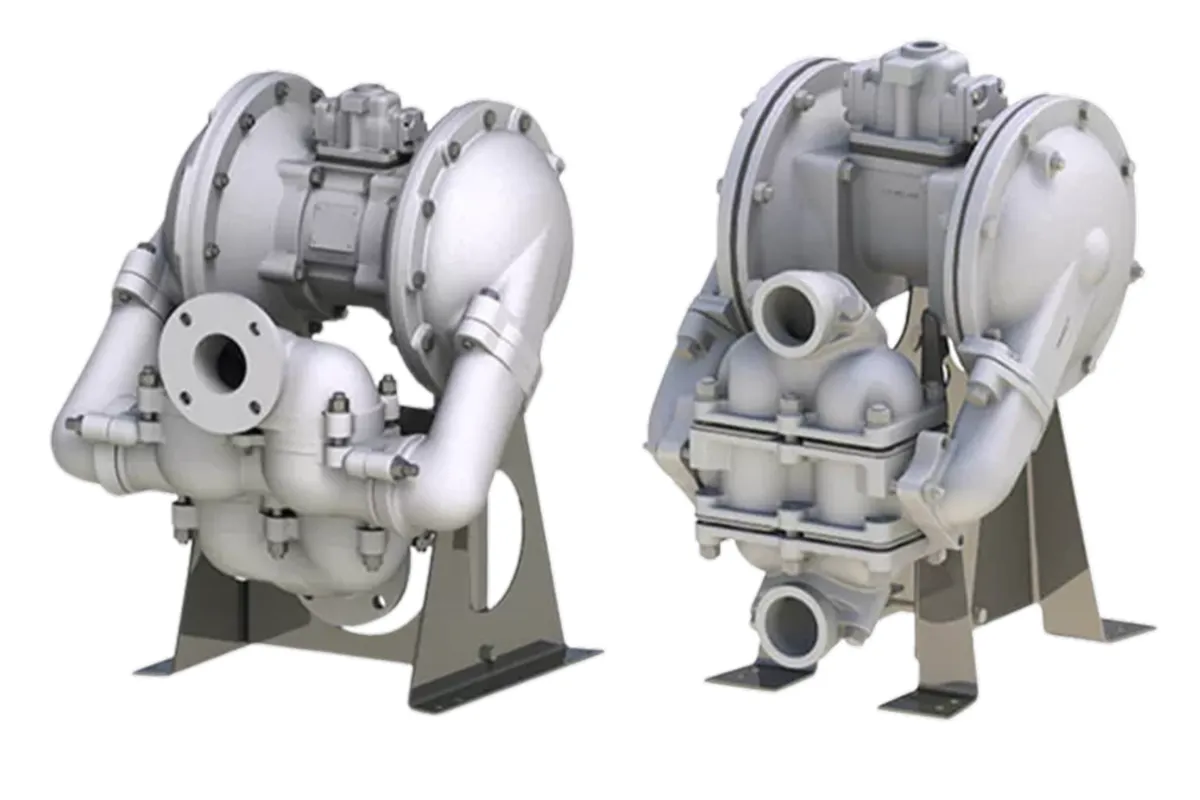
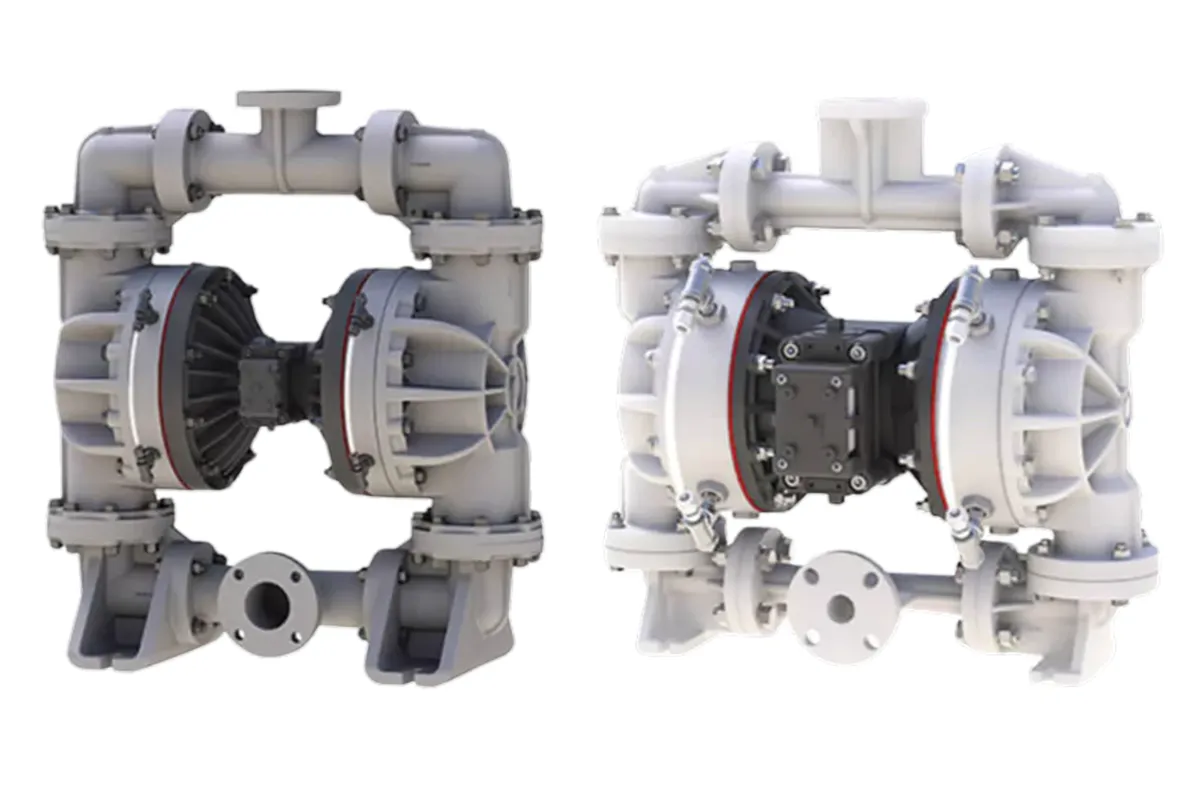
This award-winning brand also boasts its Signature Series of AODD pumps including Standard Duty, Containment Duty, Heavy Duty Ball and Heavy-Duty Flap Valve pumps, Special Duty and Natural Gas Pumps.
Features & Benefits
- Dry-run capable without damaging the pump
- Effectively pumps solids without problems
- Self-priming and submersible
- Deadheads safely without damaging the product
- Sealless design means lower maintenance costs
- Variable flow and head pressures without controls
Available Options
- Material and valve variations
- Intellirupp device
- Air filter/regulators
- Liquid level controllers
- Leak detector
- Mounting options
- Spare parts and repair kits
Key Specifications
- FLOWS UP TO 63.6 m3/h or 1,060 Liters/minute
- MAX SOLIDS UP TO 18 mm
Applications
- Ceramics
- Chemical
- Construction
- Food and Beverage
- General Manufacturing
- Marine
- Mining
- Oil and Gas
- Paints and Coatings
- Pharmaceutical
- Wastewater Treatment
Range
- Heavy Duty Flap Valve
FLOW UP TO 70.41 M3/H - Heavy Duty Ball Valve
FLOW UP TO 68.14 M3/H - Containment Duty Ball Valve
FLOW UP TO 59.1 M3/H - Standard Duty Ball Valve Metallic
FLOW UP TO 64.73 M3/H - Standard Duty Ball Valve Non-Metallic
FLOW UP TO 63.6 M3/H
PRINCIPLE OF OPERATION
Industrial Pneumatic Diaphragm Pump
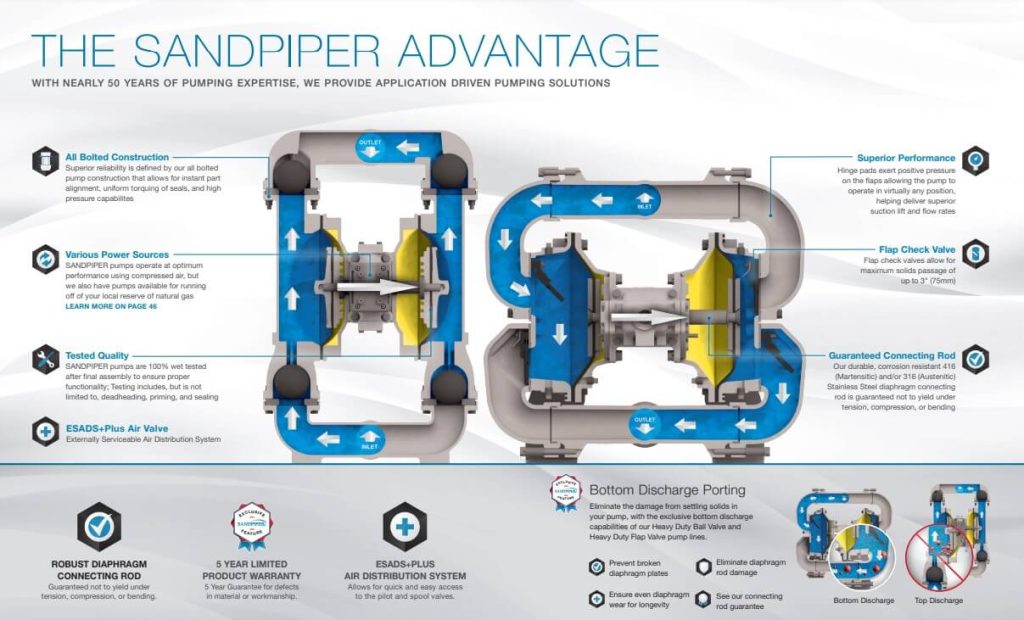
Sandpiper AODD pumps use compressed air to initialise pumping. They use flexible diaphragms that are positioned in opposite chambers. Both chambers have common inlet and outlet ports. A shaft in between the diaphragms acts as their driving mechanism. Finally, valves or balls are placed at the openings of the chamber, acting as gates on the suction and discharge sides.
First, compressed air enters the pump and pushes the link shaft to the right and the left. This allows the diaphragms to move simultaneously where one is in its discharge stroke while the other is in its suction stroke.